
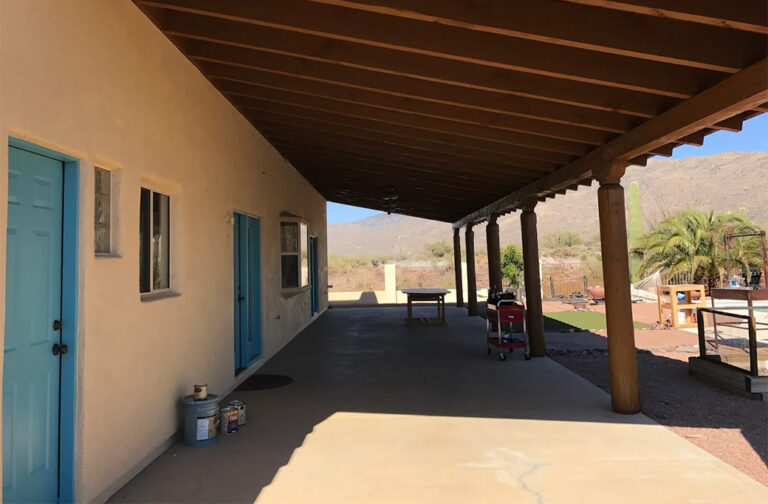
Stucco is a natural fit for Tucson homes, but that doesn’t mean its painted finish lasts forever. Intense sunlight, high surface temperatures, desert dust and seasonal rain can all affect an exterior over time.
So, when should you repaint a stucco house in Tucson?
Rather than relying only on the age of the last paint job, look at the condition of the surface. Fading, chalking, cracking, peeling and areas where the coating is losing its protective finish can all indicate that it’s time to consider repainting.
Catching those signs early can also reduce the amount of preparation and repair required before the next paint job.
Here’s what Tucson homeowners should watch for.
How Often Does Exterior Paint Need to Be Redone in Tucson?
As a general guideline, an exterior paint job may need to be redone about every 5 to 10 years. Stucco can sometimes hold a painted finish longer than materials such as wood, but the actual timing depends on the condition of the surface and its exposure.
That’s why a calendar shouldn’t be the only thing determining when you repaint.
A home receiving strong direct sunlight may show deterioration differently from a more protected exterior. Previous preparation, the condition of the stucco and the coating used also matter.
Instead of asking only, “How old is my paint?” ask:
“What is my exterior telling me?”
These seven signs can help answer that question.
1. Your Exterior Color Has Noticeably Faded
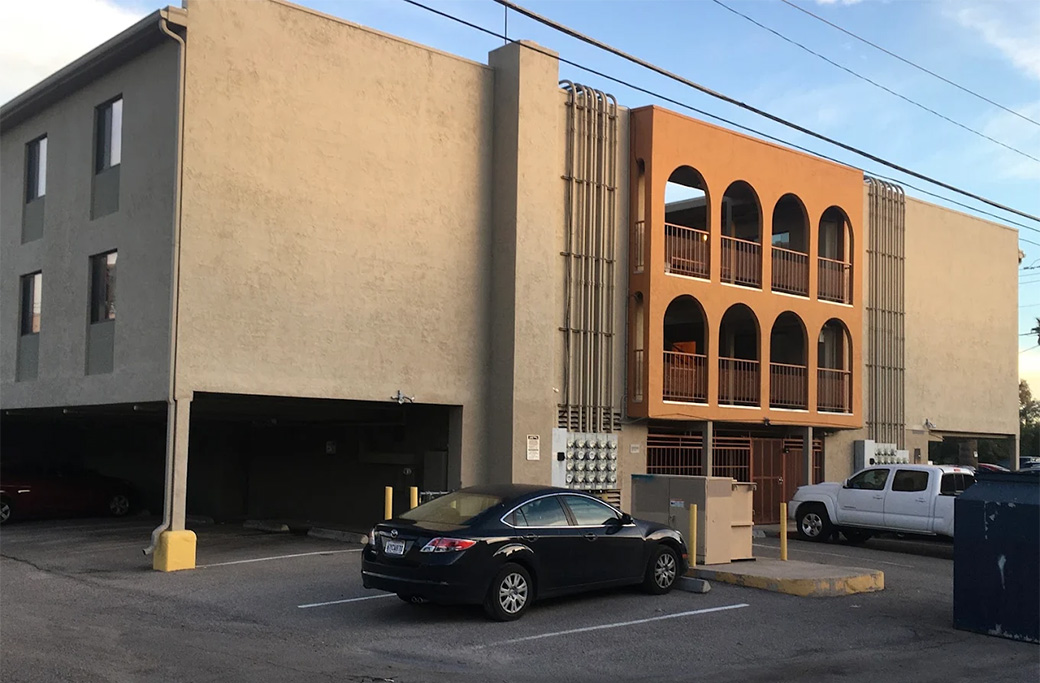
Fading is one of the easiest exterior paint problems to spot in Tucson. The Arizona sun exposes exterior surfaces to intense UV radiation. Over time, a color that once looked rich can begin to appear washed out or uneven.
You may notice it most clearly by comparing areas that receive different amounts of sunlight. A protected section near a patio or overhang may look noticeably different from an exposed wall.
Fading does not automatically mean the coating has failed, but widespread or uneven fading is a good reason to evaluate the rest of the exterior. If you are already unhappy with the color and the finish is showing other signs of age, repainting can address both issues at once.
2. Paint Has a Chalky Surface
Have you ever rubbed your hand across an exterior wall and noticed a powdery residue? That can be chalking.
Chalking occurs as a painted surface ages and the coating begins to break down. Some chalking can occur naturally over the life of exterior paint, but significant chalking is worth paying attention to.
It can also create an important preparation issue. Painting directly over a dirty, dusty or deteriorating surface can interfere with adhesion. Before repainting, the exterior needs to be evaluated, cleaned and prepared appropriately so the new coating has a sound surface to bond to.
In Tucson, that preparation is particularly important because ordinary desert dust can also collect on exterior surfaces.
3. You See Cracks in the Stucco
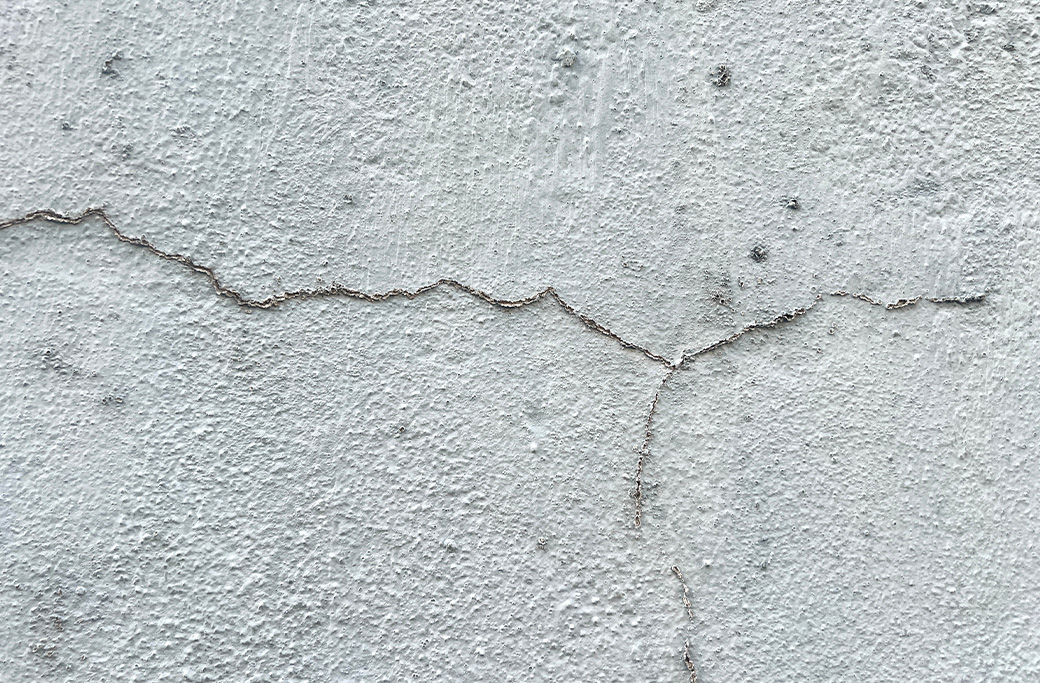
Small cracks are common on stucco homes, but they shouldn’t simply disappear under a new coat of paint.
Cracks should be evaluated and repaired as appropriate before the exterior is painted.
Why?
Paint looks best and performs best when it is applied over a properly prepared surface. Simply covering a damaged area doesn’t correct the underlying surface problem.
Cracks can also provide paths for moisture when Tucson does receive rain, particularly during monsoon season.
If you are seeing multiple cracks, cracks that appear to be changing, or other signs of stucco deterioration, have the surface evaluated before repainting.
4. Paint Is Peeling, Flaking or Losing Adhesion
Peeling paint is a clearer indication that an exterior needs attention. Once paint begins separating from the surface, applying another coat over it isn’t enough. Loose material needs to be addressed and the surface properly prepared before new paint is applied.
Waiting until an exterior is badly peeling can also make the eventual project more involved because additional preparation or repairs may be necessary. This is one reason preventive exterior maintenance matters.
It is generally better to evaluate deteriorating paint before large sections of the coating begin failing.
5. Exterior Looks Uneven or Patchy
Sometimes the first sign isn’t dramatic peeling or cracking. The house simply starts looking inconsistent.
You might notice:
-
- lighter and darker sections of the same color
- areas that look dull compared with the rest of the house
- visible previous repairs
- stains or discoloration
- uneven weathering on different sides of the home
Different parts of a Tucson house can receive very different amounts of sunlight and weather exposure. That means the entire exterior won’t necessarily age at exactly the same rate.
When the finish becomes noticeably inconsistent, an exterior evaluation can help determine whether cleaning, localized work or repainting makes the most sense.
6. Previous Repairs Are Becoming More Visible
Stucco repairs don’t always age exactly like the surrounding wall. As exterior paint fades and weathers, previously repaired areas may become easier to see. You may begin noticing differences in color, texture or sheen that weren’t obvious before.
If there are multiple repairs throughout an exterior, repainting can help create a more consistent finished appearance, but the repair work and surface preparation still need to be addressed correctly first.
The goal isn’t simply to cover repairs with paint. The goal is to create a stable, properly prepared surface and then produce a consistent finish.
7. You’re Seeing Several Warning Signs at Once
One faded wall might not mean the entire house needs repainting immediately. A small crack doesn’t necessarily mean it does either. However, when several symptoms begin appearing together (such as fading, chalking, cracking and peeling) it becomes much more reasonable to have the exterior professionally evaluated.
Multiple symptoms can indicate that the coating and underlying surface need more than a cosmetic touch-up.
This is an important distinction.
Exterior painting isn’t only about changing the way a house looks. Proper preparation and coating also help protect exterior surfaces from continued exposure to the elements.
Why Tucson’s Climate Matters for Stucco Paint
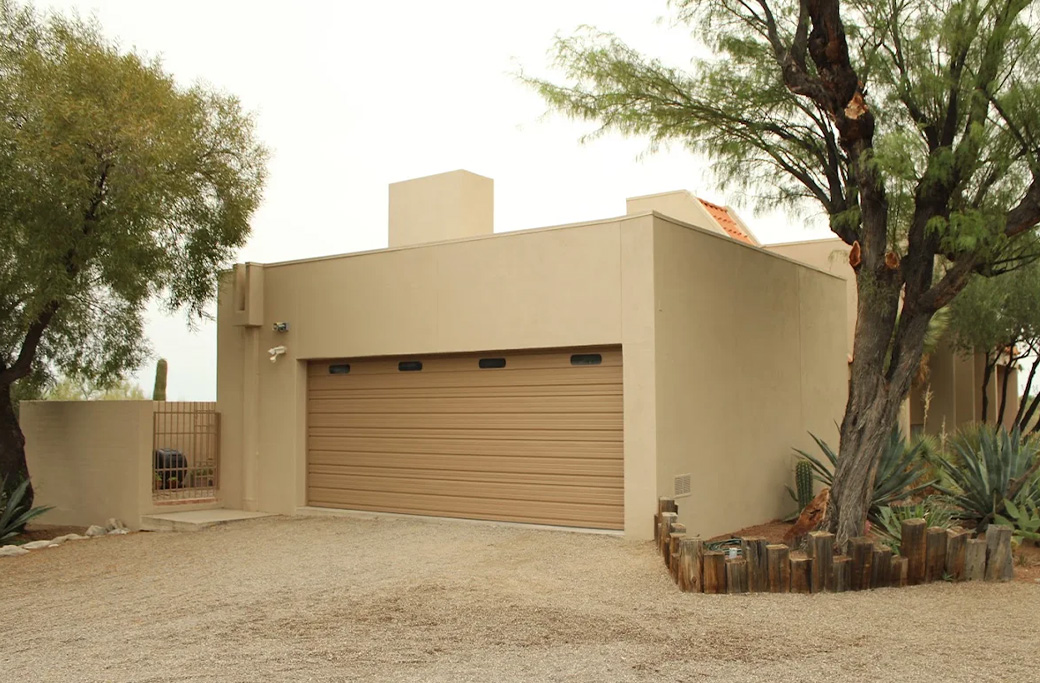
Tucson creates some unusual conditions for exterior paint.
Intense UV Exposure
The sun doesn’t just affect how a color looks. Prolonged UV exposure contributes to the gradual deterioration of exterior coatings.
Walls receiving strong direct sunlight can therefore age differently from shaded portions of the same house.
High Surface Temperatures
The air temperature isn’t necessarily the same as the temperature of the wall being painted.
Exterior surfaces exposed to direct Arizona sunlight can become very hot. Professional painters need to consider the conditions of the actual surface as well as the weather when planning exterior work.
Desert Dust
Dust is a fact of life in southern Arizona.
Before painting, exterior surfaces need to be properly cleaned so dirt, dust and loose material don’t interfere with the new coating.
Monsoon Weather
Tucson may be dry much of the year, but monsoon conditions add another consideration.
Rain, moisture and rapidly changing weather can affect painting schedules, as well as damaged exterior surfaces. Painting should take place when conditions allow the surface to be appropriately prepared and the coating to dry and cure as intended.
Can You Paint Stucco Year-Round in Tucson?
Tucson’s climate makes exterior painting possible during much of the year, but that doesn’t mean every day or every hour of the day provides good painting conditions.
During hotter periods, work may need to begin earlier. During colder weather, work may begin later. Rain and monsoon conditions also have to be considered.
Professional exterior painters evaluate weather, surface conditions and the requirements of the coating, rather than simply choosing a date on the calendar. That’s particularly important with stucco because large exterior walls can experience substantial sun exposure throughout the day.
Should Stucco Cracks Be Repaired Before Painting?
Yes. Necessary stucco repairs should be addressed before the finish coats are applied.
A professional exterior painting process begins with the condition of the surface. Depending on the home, preparation can include cleaning the exterior, addressing cracks and damaged areas, removing loose paint and priming surfaces where appropriate.
Skipping preparation to get to the painting faster can compromise the finished result. The new paint needs a sound surface to adhere to.
Should You Wait Until Stucco Paint Starts Peeling?
Ideally, no. Peeling makes the need for maintenance obvious, but you don’t have to wait for widespread coating failure before considering repainting.
Earlier warning signs such as substantial fading, chalking and deteriorating areas can give you an opportunity to address the exterior before the condition becomes more severe. If you’re unsure, an exterior painting estimate can also function as an opportunity to have the current condition of the painted surfaces evaluated.
What Should Tucson Homeowners Look for Before Repainting Stucco?
Before deciding to repaint, walk around the entire house, rather than evaluating only the front.
Look closely at:
-
- walls receiving direct afternoon sun
- areas underneath rooflines and overhangs
- cracks or patched stucco
- peeling or flaking paint
- chalky surfaces
- faded or inconsistent color
- areas exposed to runoff or moisture
- trim, doors and other painted exterior surfaces
This gives you a better picture of whether you’re dealing with one localized issue or broader exterior deterioration. If several areas are showing signs of wear, it may be time for a professional assessment.
Professional Stucco and Exterior Painting in Tucson
A successful stucco repaint starts long before the finish coat goes on. The surface needs to be inspected, cleaned and properly prepared so the new coating has the right foundation.
Pro Finish Custom Painting provides professional exterior painting services for Tucson homes, including stucco exteriors. Our exterior painting process includes the preparation needed for the condition of the property, and stucco damage can be addressed as part of the work when appropriate.
If you’re looking at your house and wondering whether the fading, cracks or worn areas mean it’s time to repaint, you don’t have to guess.
Contact Pro Finish Custom Painting for a free exterior painting estimate and an evaluation of your home’s painted surfaces.
Is It Time to Repaint Your Tucson Home?
Not sure whether your stucco needs a complete repaint or simply some attention to worn areas? Pro Finish Custom Painting can evaluate the condition of your exterior and explain what preparation may be needed.
Request a Free Exterior Painting Estimate
Frequently Asked Questions About Painting Stucco in Tucson
How often should a stucco house be repainted in Tucson?
There isn’t one schedule that applies to every stucco home. Pro Finish generally advises that exterior painting may need to be redone about every 5 to 10 years, while stucco can sometimes last longer than surfaces such as wood. Sun exposure, previous preparation, coating condition and visible deterioration should also be considered.
What are the signs that stucco needs repainting?
Common warning signs include noticeable fading, chalking, peeling or flaking paint, cracks, uneven color and multiple areas of deterioration. The condition of the surface is often more useful than age alone when deciding whether it’s time to repaint.
Can you paint over cracks in stucco?
Cracks and damaged areas should be evaluated and appropriately repaired before painting rather than simply covered with a finish coat. Proper preparation gives the new coating a sounder surface to adhere to.
Does Tucson sun make exterior paint fade faster?
Strong UV exposure can contribute to fading and deterioration of exterior coatings. Different sides of the same Tucson home may weather differently depending on how much direct sunlight they receive.
Can stucco be painted during the summer in Tucson?
Exterior painting can be performed during Tucson’s warmer months, but painters need to account for surface temperatures and weather conditions. Work schedules may be adjusted so painting occurs under appropriate conditions.
Do you have to clean stucco before painting?
Proper surface preparation is important before exterior painting. Dirt, desert dust, and loose or deteriorating material can interfere with adhesion, so the condition of the exterior should be evaluated and the surface appropriately prepared before coating.